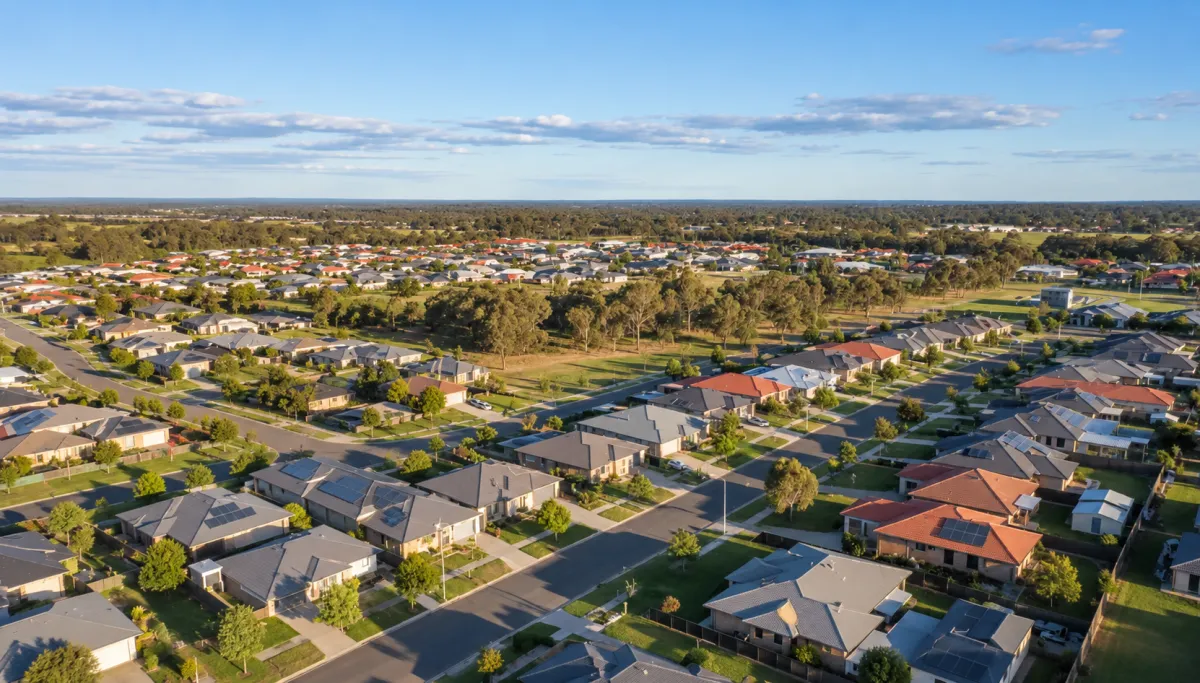
Regional Housing Markets Continue to Outperform Capitals as Growth Slows
Regional Australian property markets are still performing better than the combined capital cities, but the latest data shows that momentum is slowing across many areas. According to Cotality’s Regional Market Update, regional dwelling values fell by 0.1% during the three months to July 2026, while values across the combined capital cities declined by 2.5%. Although regional markets remain more resilient overall, conditions vary significantly between states, cities and individual suburbs.
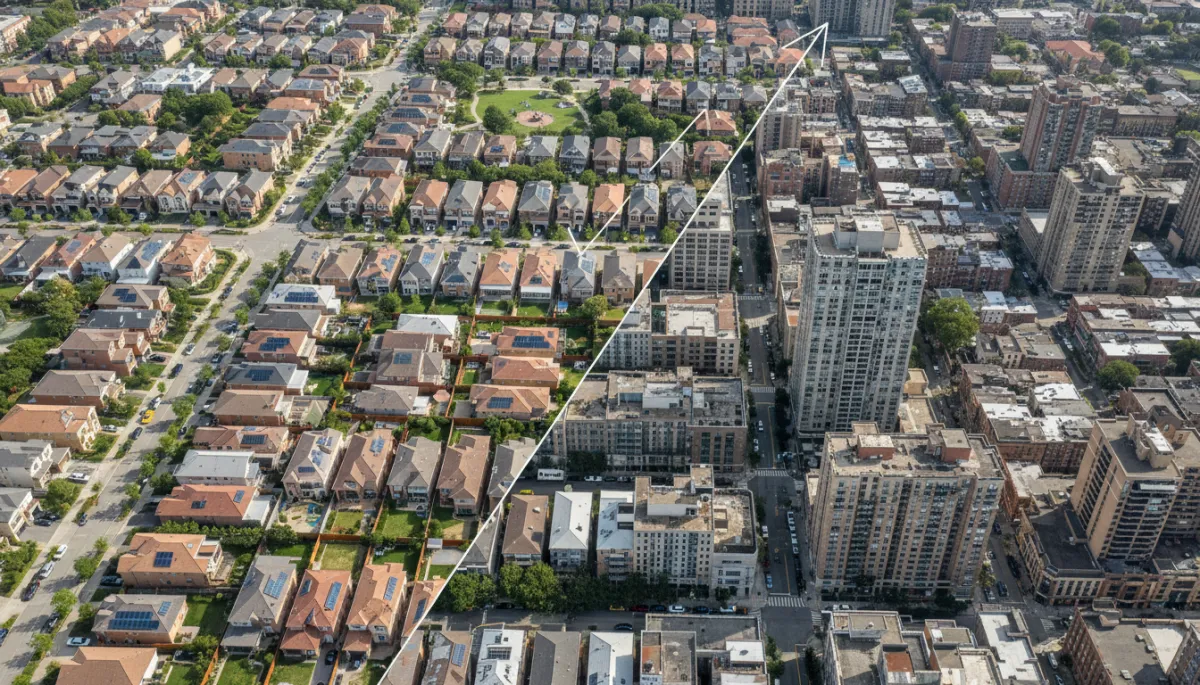
Regional housing trends can influence how much you may be able to borrow, the type of property you choose and the strategy you use to structure your home loan or investment lending. Understanding these shifts is an important step before committing to your next purchase.
While this article focuses on market conditions, it is not a substitute for tailored lending advice. If you are considering a move into the regional housing market Australia wide, a finance specialist can help you interpret these trends in the context of your own situation.Speak With First Select Fina
What Are the Key Market Results Telling Buyers?
These results show why buyers and investors should look beyond national headlines. Australia is made up of many different property markets, and each area can respond differently to interest rates, affordability and local demand. Data from sources such as Cotality, PropTrack and the National Housing Supply and Affordability Council consistently highlight that regional markets, on average, have outperformed the broader Australian housing market over recent years, even as conditions have cooled in some locations.
Why Are Western Australia and South Australia Leading Regional Growth?
Regional Western Australia and South Australia recorded the strongest quarterly results, with dwelling values rising by 2.1% across both states. This aligns with broader research showing that regional SA and WA have delivered some of the most consistent gains over the past year, supported by tight supply and comparatively affordable price points.
Port Pirie recorded growth of 6.7%, while Kalgoorlie-Boulder increased by 6.4% and Geraldton rose by 3.8%. These results underline how certain regional centres can continue to grow even as the wider regional property market begins to slow. For buyers, this can present both opportunity and risk, depending on how long these conditions last and how local economies evolve.
Relative affordability and strong local economies have helped some regional centres remain resilient. However, recent growth does not guarantee future performance. Employment, housing supply, rental demand and local economic conditions should all be carefully considered, particularly if you are planning to rely on rental income or expect future capital growth to support your long-term plans.
How Is Queensland’s Regional Market Performing?
Regional Queensland recorded no overall change during the quarter, but performance differed between locations. This reflects a broader pattern seen across the regional housing market Australia wide, where some lifestyle-driven markets are cooling after several years of strong gains.
The Gold Coast, Sunshine Coast and Cairns recorded declines, while more affordable markets such as Maryborough, Gladstone and Townsville continued to grow. Higher-priced coastal areas that surged during the pandemic are now adjusting as affordability pressures rise and borrowing capacity tightens for many buyers.
This suggests buyers are becoming more selective and placing greater importance on affordability, value and borrowing capacity. For home buyers and investors, it reinforces the need to understand how different parts of the regional property market may respond to interest rate changes and shifting lifestyle trends over time.
Why Are Regional NSW and Victoria Facing Softer Conditions?
Regional New South Wales and Victoria recorded some of the weakest conditions nationally during the three months to July. Cotality data shows that these states have been more affected by the recent downturn, following an extended period of strong price growth earlier in the cycle.
Coffs Harbour, Goulburn and Nelson Bay experienced notable declines, while Geelong and Warragul-Drouin were among the softer Victorian markets. In many of these areas, affordability has become more stretched, and higher interest rates are limiting what buyers can comfortably borrow, even as they continue to seek regional lifestyle benefits.
However, some inland areas continued to perform well. Dubbo, Tamworth and Albury-Wodonga recorded positive quarterly growth, showing that opportunities still exist where local economies are diverse and housing remains relatively affordable. This highlights the importance of assessing each location individually rather than treating an entire state or regional market as one investment area.

Local economic strength and affordability help some regional suburbs outperform nearby areas.
Are Regional Properties Taking Longer to Sell?
Selling conditions also became softer across much of regional Australia. The median time required to sell a property increased in 44 of the 50 largest regional markets, indicating that buyers are taking more time to complete their due diligence and secure finance approval.
For buyers, this can be positive. A slower pace may provide more time to assess a property, arrange inspections and complete finance preparation without feeling rushed. It can also create room for negotiation on price, particularly where vendors are keen to secure a sale in a cooling market.
However, desirable properties in tightly held areas may still attract strong competition. Buyers should understand their borrowing position before making an offer, including how their repayments could change if interest rates move higher. A clear pre-approval and well-structured loan strategy can help you act confidently when the right property appears.
What Is Happening to Regional Rents?
Regional rental growth slowed to 1.1% during the three months to July, down from 1.8% in the previous quarter. This moderation follows a period of strong rental increases in many regional areas, as more Australians looked beyond capital cities for lifestyle and affordability reasons.
Rental performance also varied between locations. Albany, Toowoomba and Kalgoorlie-Boulder recorded some of the strongest rental increases, while several regional markets experienced falling rents. Regional vacancy rates remained relatively tight at 1.9%, while average gross rental yields held at 4.2%, reinforcing that income returns in many regional markets remain attractive compared with some capital city areas.
Rental yield should not be considered by itself. Investors should also review vacancy rates, ongoing property expenses, maintenance, insurance, local supply and the property’s long-term resale appeal. Combining rental metrics with a clear understanding of your borrowing capacity and cash flow can help you make more informed decisions about regional property investment.
What Does This Mean for Property Buyers?
A slowing market does not automatically mean every property is a good opportunity. It also does not mean buyers should stop considering their options. Instead, it is a reminder to focus on fundamentals and ensure your finance strategy aligns with your goals and risk tolerance.
What Should You Review Before Buying?
Getting your finance organised early can help you understand what you can comfortably afford and prevent you from making decisions based only on advertised prices or projected rental returns. A clear picture of your borrowing capacity and repayments can also help you compare properties across different regional markets on a like-for-like basis.
How Can You Better Understand Your Finance Options?
Different lenders assess regional properties in different ways. The property’s location, type, size, expected rental income and available comparable sales may influence the lender’s valuation and loan conditions. In some cases, lenders may apply different policies to smaller towns compared with larger regional centres.
Some regional postcodes may also have different deposit or loan-to-value ratio requirements. This can affect how much you need to contribute upfront and the range of lenders and products available to you. Understanding these differences early can help avoid surprises later in the process.
First Select Finance can help you review your financial position, compare available lenders and understand the possible costs and conditions before you commit to a property. This includes exploring options such as fixed and variable rate loans, offset accounts, interest-only periods for investors and potential refinancing strategies over time.

Tailored finance advice can help align regional property choices with long-term goals.
When Should You Speak With First Select Finance?
Planning to purchase a home or investment property in regional Australia? Whether you are upsizing, downsizing or building a regional property investment portfolio, understanding your borrowing position is a crucial first step. A finance specialist can help you navigate different lender policies, especially where regional property finance considerations may apply.
Speak with First Select Finance to understand your borrowing position and explore the finance options available for your circumstances. The team can help you compare lenders, structure your loans effectively and review opportunities to refinance as your situation or the broader Australian housing market changes.
Call 1300 73 1864 or visit firstselectfinance.com.au to arrange a complimentary consultation.
This article contains general information only and does not constitute financial, legal, tax or property investment advice. Lending criteria, fees, interest rates and eligibility requirements vary between lenders and may change. You should consider obtaining professional advice that is tailored to your personal circumstances before making any property or financial decisions.
