Regional Commercial Property Market Surges to $6.2B
Regional commercial property transactions reached $6.2 billion in 2025, marking the third-highest level on record as investors increasingly look beyond capital cities for commercial property opportunities.
According to Knight Frank’s Australian Regional View 2026, regional transactions represented approximately 11 per cent of all Australian commercial property deals, with retail accounting for more than 40 per cent of activity. These findings sit alongside broader market data from major research houses showing renewed investor interest in regional retail, industrial and office assets across Australia.
The figures point to a broader change in how regional markets are being assessed, influenced by population decentralisation, infrastructure investment and increasingly diverse local economies. For commercial property buyers and investors, these trends provide useful market context, but individual property fundamentals and finance requirements still need careful assessment.
1. Regional Transactions Reached $6.2 Billion
Regional commercial property transaction activity remained substantial in 2025. Around $6.2 billion worth of regional commercial property reportedly changed hands, representing the third-highest annual level on record. Regional deals accounted for approximately 11 per cent of total Australian commercial property transaction activity, with retail making up more than 40 per cent of regional volumes.
Regional Transactions
$6.2 Billion
Approximate transaction value during 2025
Share of Australian Transactions
11%
Approximate share represented by regional markets
Retail Share
40%+
More than 40 per cent of regional transaction activity
The increase in regional activity suggests investors are increasingly considering these markets on their own fundamentals rather than treating them simply as higher-yield alternatives to capital cities. This aligns with broader national data from research houses such as CBRE and JLL, which highlight strong interest in retail, industrial and alternative assets across Australia’s commercial property market.
2. Population Growth Is Supporting Regional Demand
Population decentralisation is becoming an important factor in regional commercial property demand. Approximately 8.9 million Australians, or around 32 per cent of the population, lived outside the capital cities in 2024–25. That figure is forecast to increase to approximately 9.6 million over the next decade, adding to the customer and workforce base in many regional centres.
Current Regional Population
Approximately 8.9 million people
Around 32 per cent of Australia’s population
Living outside capital cities during 2024–25
Forecast Direction
Approximately 9.6 million people over the next decade
Continued regional population growth
Potential additional demand for services, retail, offices and industrial property
Population growth can support demand for different types of commercial property, but the strength of that demand can vary substantially between individual markets. Some locations may see strong take-up of retail and industrial space, while others may experience more modest demand or longer leasing lead times.
Key point: Regional Australia should not be viewed as one single commercial property market. Population, employment, industry and infrastructure differ significantly between locations.
3. Some Regional Centres Are Expected to Grow Faster
Population growth forecasts differ significantly between major regional centres. Locations such as Geelong, the Gold Coast and Wollongong are expected to record stronger growth than some other regional areas, which may influence long-term demand for commercial space.
Geelong
22% projected population increase
Gold Coast
19% projected population increase
Wollongong
16% projected population increase
Townsville
14% projected population increase
Newcastle
11% projected population increase
Population growth can increase demand for retail, office, industrial and service-based commercial property, but demographic growth alone does not determine the performance of an individual asset. Tenancy mix, lease structures, competition and asset quality remain central to long-term outcomes.
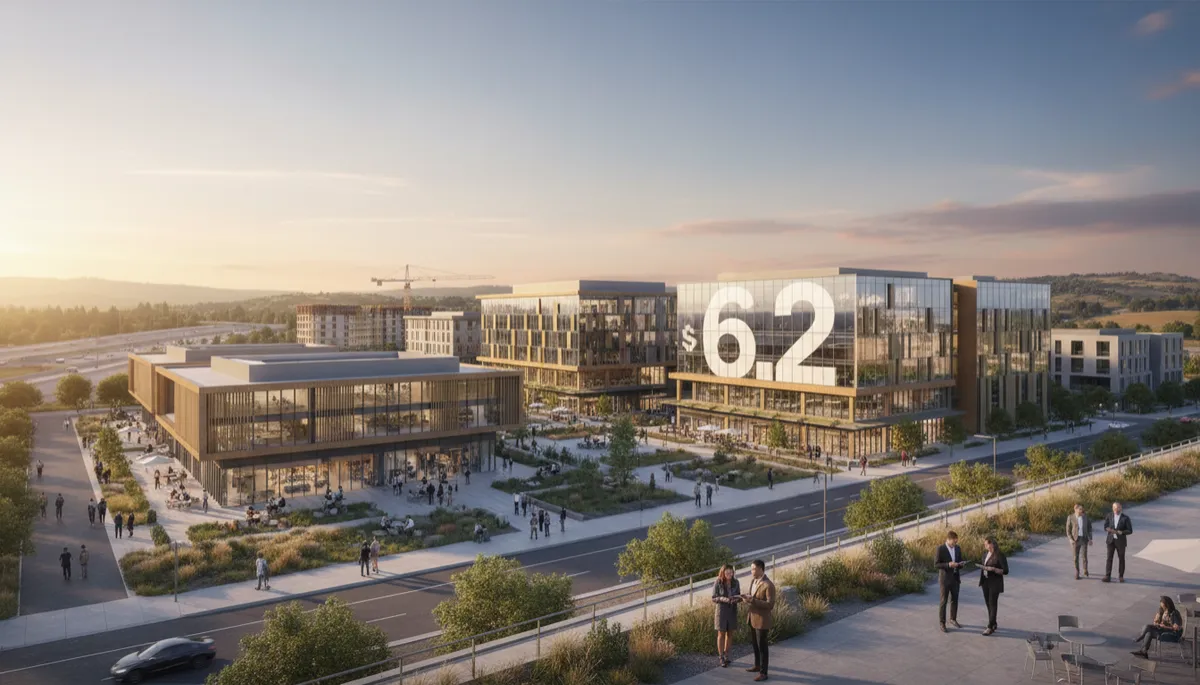
Growing regional centres can support a mix of office, retail and service-based commercial assets.
4. Regional Markets Are Becoming More Diverse
The regional commercial property story is becoming increasingly specific to each local economy. Many centres are moving away from single-industry profiles towards more diverse bases that include healthcare, education, logistics, tourism and advanced manufacturing. This diversification can influence both tenant demand and the types of assets that lenders and investors focus on.
Newcastle
Growth drivers may include:
Professional services
Healthcare
Education
Tourism
Advanced manufacturing
Port activity
Renewable energy
Defence investment
Wollongong
Growth drivers may include:
Professional services
Healthcare
University activity
Port Kembla
Major land transformation projects
Diversification beyond traditional heavy industry
Different economic drivers can create different requirements for offices, warehouses, logistics facilities, retail property and other commercial assets. For example, education and healthcare growth may support medical and office accommodation, while port and logistics activity may underpin demand for industrial and warehouse space.
5. The Gold Coast Office Market Has Tightened
Rapid population growth and economic diversification have also affected commercial property conditions on the Gold Coast. Knight Frank highlights that A-grade office vacancy reportedly fell from 18.6 per cent in January 2021 to approximately 3.2 per cent in January 2026, reflecting limited new supply and stronger tenant demand.
January 2021
18.6% A-grade office vacancy
January 2026
3.2% A-grade office vacancy
Market Direction
Tighter Supply
Limited new stock may influence rental conditions
Low vacancy can be supportive for landlords, but investors should still assess individual leases, tenant quality, property condition, operating expenses and future supply.
6. Infrastructure Is Reshaping Some Regional Markets
Large infrastructure programs are also influencing commercial activity in regional Australia. New transport, defence and health projects can support employment during construction and operation, which may in turn affect demand for industrial, office and retail space.
Wagga Wagga
More than $15 Billion
Infrastructure projects earmarked for the city and surrounding Riverina-Murray region over the next five to ten years.
Townsville
Approximately $700 Million
Defence-related infrastructure investment across the region.
Major infrastructure investment can influence employment, population movement and demand for commercial space. However, investors should consider the timing, certainty and local economic impact of individual projects rather than relying only on headline investment figures.
7. Tourism Is Another Regional Growth Driver
Tourism is another factor supporting commercial activity in regional destinations. National tourism forecasts indicate that total Australian tourism expenditure could rise by approximately 22 per cent to around $233 billion by 2030, with regional centres capturing a share of this spending through accommodation, hospitality and retail activity.
Forecast Increase
22% projected rise in tourism expenditure
2030 Forecast
$233 Billion projected total tourism expenditure
For commercial property buyers, tourism exposure should still be assessed alongside seasonality, local competition, tenant demand and the specific performance of the property. Locations with strong year-round visitation may offer different risk profiles to highly seasonal destinations.
8. What Commercial Property Borrowers Should Review
Strong regional market activity does not automatically mean every commercial property will support the same lending outcome. Commercial lenders may consider both the borrower and the underlying property when assessing an application, particularly in a market where capital is flowing selectively into assets with durable income and sound fundamentals.
The Commercial Property
Lenders may consider:
Property type
Location
Property valuation
Lease terms
Tenant quality
Rental income and vacancy
Building condition and age
Future capital expenditure requirements
Alternative uses or exit strategies
The Borrower and Loan
Lenders may consider:
Deposit or equity contribution
Existing liabilities and commitments
Business or investment income
Loan amount and purpose
Loan-to-value ratio
Ability to service the debt
Borrower experience with commercial property
Proposed loan term and structure
Overall financial position
Regional market growth does not guarantee property performance or loan approval. Commercial finance is assessed according to the specific asset, borrower and lender criteria.
9. Explore Commercial Finance With First Select Finance
Regional commercial property markets are evolving as population growth, infrastructure investment and economic diversification reshape demand. Investors are paying closer attention to local fundamentals, sector performance and lending conditions when considering regional commercial property Australia-wide.
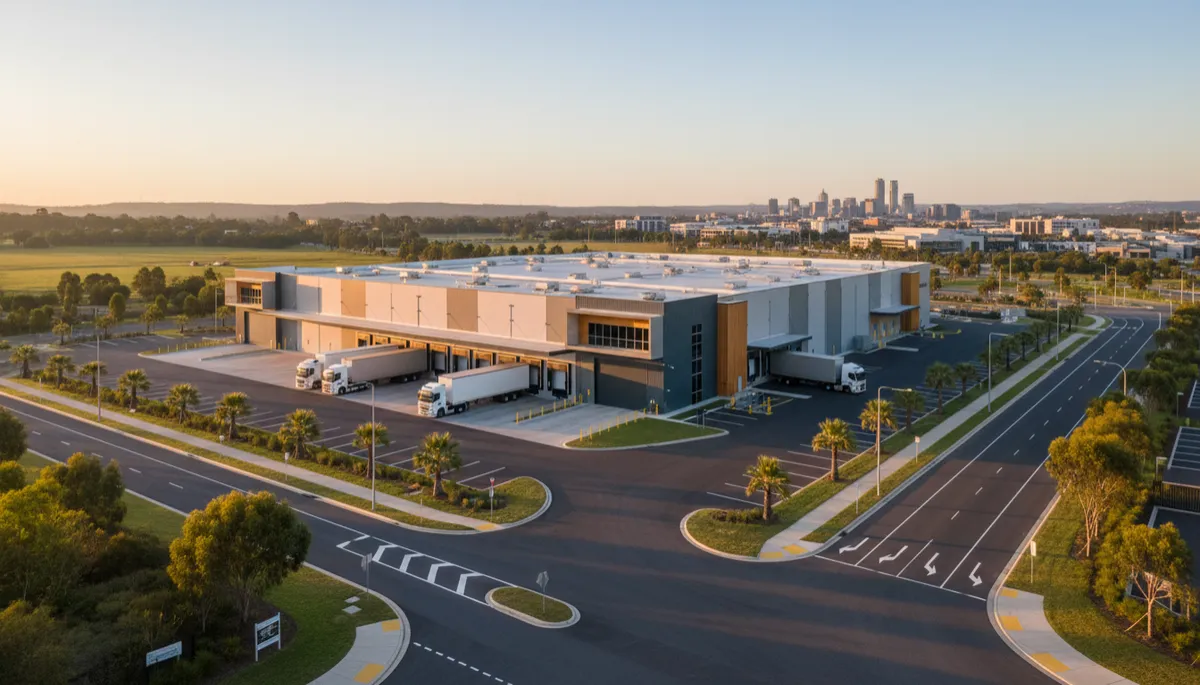
First Select Finance can help you explore commercial lending options and understand the finance considerations that may apply to a regional commercial property purchase, whether you are assessing an industrial warehouse, a retail asset or an office building in a growing regional centre.
Speak with First Select Finance about your commercial finance options and how different lenders may view your proposed transaction.
General information only. Not financial advice. Lending criteria, property assessment requirements, fees and individual circumstances apply. Commercial property investment involves risk, and past market activity does not guarantee future performance.
