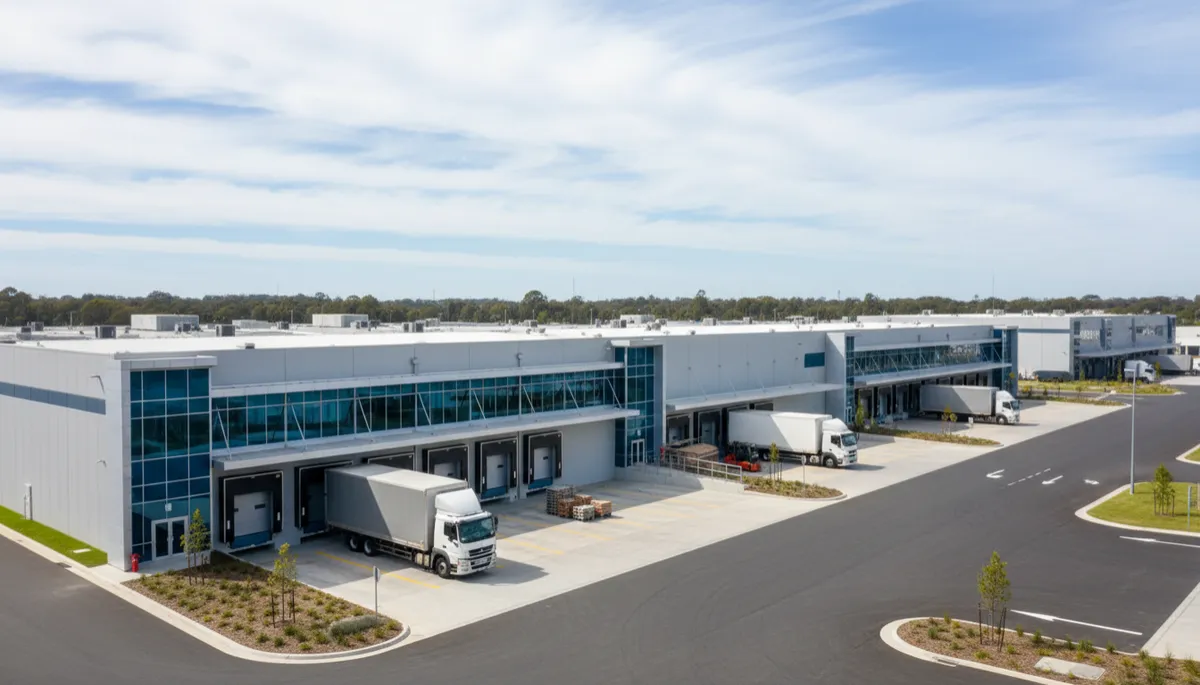
Industrial Vacancy Drops as Demand Rises in Australia
Australia’s national industrial vacancy rate has fallen to 4.8 per cent, down from 5.0 per cent in the previous quarter, according to the latest JLL Research industrial vacancy and supply update. Vacancy rates across most major Australian markets moved lower during the quarter, with Perth remaining the tightest major market at approximately 2.2 per cent. The figures suggest occupier demand continues to absorb available industrial space, including a portion of recently completed speculative warehouse stock. For commercial property buyers and business owners, national data provides useful context, although finance decisions still need to be based on the specific property, lease position, cash flow and borrower circumstances.
1. National Industrial Vacancy Has Fallen
The national industrial vacancy rate moved from approximately 5.0 per cent to 4.8 per cent during the quarter on JLL’s measure. This modest decline indicates that available industrial space is still being taken up by occupiers despite the delivery of new warehouse stock to the market. Other research houses, including CBRE, Colliers and Prological, report slightly different headline vacancy numbers due to variations in methodology, but the broad trend remains one of relatively tight conditions across much of industrial property Australia.
NATIONAL VACANCY
4.8%
Current reported national industrial vacancy rate
PREVIOUS QUARTER
5.0%
Reported vacancy rate in the previous quarter
PERTH
2.2%
Approximately the tightest vacancy rate among major markets
Lower vacancy can indicate healthy occupier demand, but conditions can vary significantly by city, precinct and building quality.
2. Sydney Remains a Mixed Market
Sydney recorded the highest overall industrial vacancy rate among the major markets at approximately 5.8 per cent across around 23.5 million square metres of stock on JLL’s figures. This highlights that, even in a relatively tight national environment, individual cities can present more balanced conditions. Within Sydney, however, the story is not uniform. The Outer North West precinct recorded a notable decline in vacancy, while South Sydney also tightened during the quarter. Other precincts recorded increases, underscoring how warehouse vacancy Australia can differ even within the same metropolitan area.
Sydney overall
Vacancy approximately 5.8%
Around 23.5 million sqm of industrial stock
Highest overall vacancy among major markets
Conditions vary by precinct
Selected precinct movements
Outer North West vacancy declined
South Sydney vacancy also tightened
Other precincts recorded increases
Local supply and demand remain important
For buyers or borrowers considering industrial property in Sydney, city-wide figures are only the starting point. Precinct-level vacancy, tenant demand and the future supply pipeline may be more relevant to an individual asset, particularly when assessing industrial property finance or refinance options.
3. Melbourne Vacancy Has Also Improved
Melbourne remains Australia’s largest industrial market, with approximately 30.6 million square metres of stock. The city recorded an overall vacancy rate of approximately 4.9 per cent, placing it close to the reported national figure. Within Melbourne, the City Fringe precinct recorded one of the largest quarterly declines, falling by approximately 3.2 percentage points to around 2.2 per cent. Vacancy also declined in Melbourne’s North and South East precincts, while the West remained relatively stable. These movements illustrate how industrial vacancy Australia can tighten more rapidly in specific locations when occupier demand aligns with available warehouse stock.
MELBOURNE STOCK
30.6 Million sqm
Approximately Australia’s largest industrial market
OVERALL VACANCY
4.9%
Approximate Melbourne industrial vacancy
CITY FRINGE
2.2%
Vacancy after a significant quarterly decline
Melbourne’s figures again demonstrate why commercial property conditions should be assessed at both city and precinct level. For borrowers seeking warehouse finance Australia wide, lenders will usually look beyond headline vacancy numbers to understand the specific catchment, tenant profile and long-term demand drivers for the property’s location.

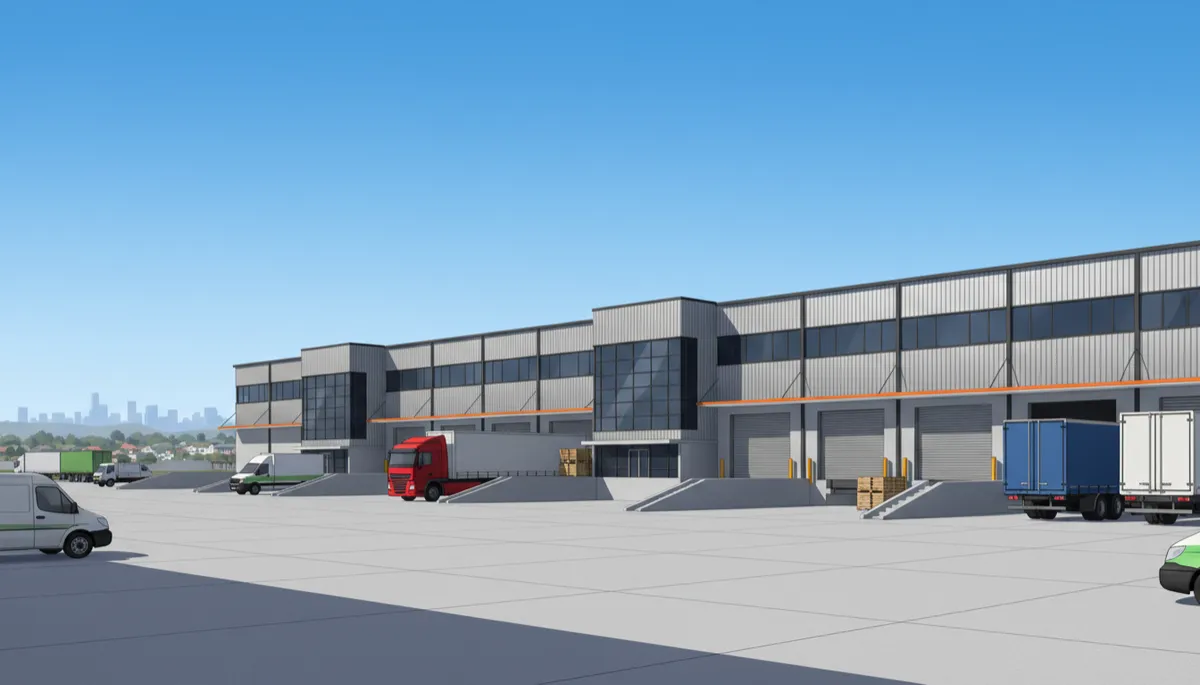
Well-located, functional industrial facilities remain in demand across major Australian markets.
4. Brisbane Recorded a Strong Quarterly Improvement
Brisbane recorded one of the largest quarterly declines in vacancy among the major markets. Vacancy reportedly fell by approximately 1.4 percentage points to around 4.2 per cent. The Trade Coast precinct also recorded a decline, falling approximately 1.0 percentage point to an estimated vacancy of around 4.1 per cent. This result points to continued absorption of available industrial stock across parts of the Brisbane industrial real estate Australia market, supported by logistics, manufacturing and trade-related occupiers.
Brisbane
Vacancy: Approximately 4.2%
Quarterly movement: Down approximately 1.4 percentage points
Trade Coast
Quarterly movement: Down approximately 1.0 percentage point
Vacancy: Approximately 4.1%
Falling vacancy can be positive for established industrial assets, but borrowers should still review lease income, tenant quality, property condition and local supply.
5. Adelaide Also Tightened
Adelaide’s industrial vacancy rate also decreased during the quarter. The vacancy rate fell by approximately 0.7 percentage points to around 3.8 per cent across approximately 5.7 million square metres of tracked industrial stock. Most Adelaide precincts reportedly recorded improvement, suggesting a relatively broad-based tightening rather than a movement confined to a single sub-market.
ADELAIDE VACANCY
3.8%
Approximate vacancy rate
INDUSTRIAL STOCK
5.7 Million sqm
Approximate tracked industrial stock
The improvement in Adelaide adds to the broader picture of declining vacancy across several major Australian industrial markets. For investors seeking industrial property Australia wide, these conditions may support occupancy in well-located assets, although each property’s leasing profile still needs to be assessed on its own merits.
6. More Industrial Supply Is Still Coming
JLL Research tracks more than approximately 81.5 million square metres of industrial stock nationally. As at Q2 2026, approximately 2.1 million square metres of industrial warehouse space was reportedly under construction across Australia. Much of this stock is expected to be delivered over the following 18 months, adding further choice for occupiers and potentially reshaping vacancy patterns in some precincts.
NATIONAL INDUSTRIAL STOCK
81.5 Million sqm+
Tracked nationally
UNDER CONSTRUCTION
2.1 Million sqm
Approximately under construction as at Q2 2026
DELIVERY WINDOW
Next 18 Months
A significant proportion of current construction is expected to complete during this period
The amount, location and quality of new supply can influence future vacancy, rents and competition between industrial properties. For example, a concentration of new prime warehouses in one corridor may place pressure on older facilities nearby, particularly if occupiers can secure more efficient space at similar rental levels.
7. Demand Is Absorbing Speculative Stock
Research across several agencies indicates occupier demand has remained stronger than some expectations through 2026. Elevated leasing activity has helped absorb speculative warehouse stock delivered to the market over recent years. For property owners, this can support occupancy and leasing conditions in well-located, functional facilities, even as more space completes. However, the performance of newer premium warehouses may differ from older or secondary-grade industrial properties, particularly where design, access and energy efficiency diverge.
Modern industrial stock
Occupiers may look for:
Efficient layouts
Modern loading facilities
Better access
Higher clearance
Energy efficiency
Improved workplace facilities
Better logistics functionality
Secondary-grade stock
Potential considerations:
Older facilities
Lower efficiency
Maintenance requirements
Functional limitations
Competing modern supply
Potentially higher vacancy risk
Strong occupier demand does not mean every warehouse will experience the same leasing outcome. Building quality and functionality can influence tenant demand.

Modern warehouse design and functionality can be important for both tenants and lenders.
8. Cost Pressures Could Still Affect Occupiers
The outlook for industrial property is not without risk. Higher fuel costs, inflationary pressures and broader global uncertainty can affect logistics and distribution businesses. For tenants, rising operating expenses can influence profitability and expansion decisions, even in markets where vacancy is relatively low. For property buyers, understanding the financial strength of existing tenants and the industries they operate in can therefore be an important part of commercial property due diligence and commercial lending Australia wide.
Occupier pressures
Fuel costs
Transport expenses
Labour costs
Inflation
Supply-chain disruption
Business profitability
Property considerations
Tenant financial strength
Lease expiry
Rental obligations
Vacancy risk
Alternative tenant demand
Property adaptability
Occupiers are also expected to continue looking for operational efficiencies and may take opportunities to move into more suitable facilities when leases expire. From a lender’s perspective, properties that support efficient operations and cost management can be viewed more favourably than assets that may increase occupier costs.
9. What Industrial Property Borrowers Should Review
National vacancy data provides useful market context, but commercial finance is assessed at the individual asset and borrower level. When seeking industrial property finance, lenders typically consider both the underlying property and the borrower’s financial position, rather than relying solely on market-wide indicators of industrial vacancy Australia.
The industrial property
Lenders may consider:
Location
Property valuation
Building quality
Lease terms
Tenant quality
Rental income
Vacancy
Remaining lease term
Future capital expenditure
Alternative uses
The borrower and finance
Lenders may consider:
Deposit or equity contribution
Existing liabilities
Business or investment income
Loan amount
Loan-to-value ratio
Ability to service the debt
Borrower experience
Loan term
Overall financial position
A low vacancy market does not guarantee property performance or finance approval. The lender will assess the specific property, transaction and borrower circumstances.
10. Explore Commercial Finance With First Select Finance
Changing industrial vacancy, new supply and occupier demand can all influence the commercial property market. First Select Finance can help business owners and investors explore commercial lending options and understand the finance considerations that may apply to an industrial property purchase or refinance.
Speak with First Select Finance about your commercial finance options, including how lenders may view different types of warehouse assets, lease structures and borrower profiles.
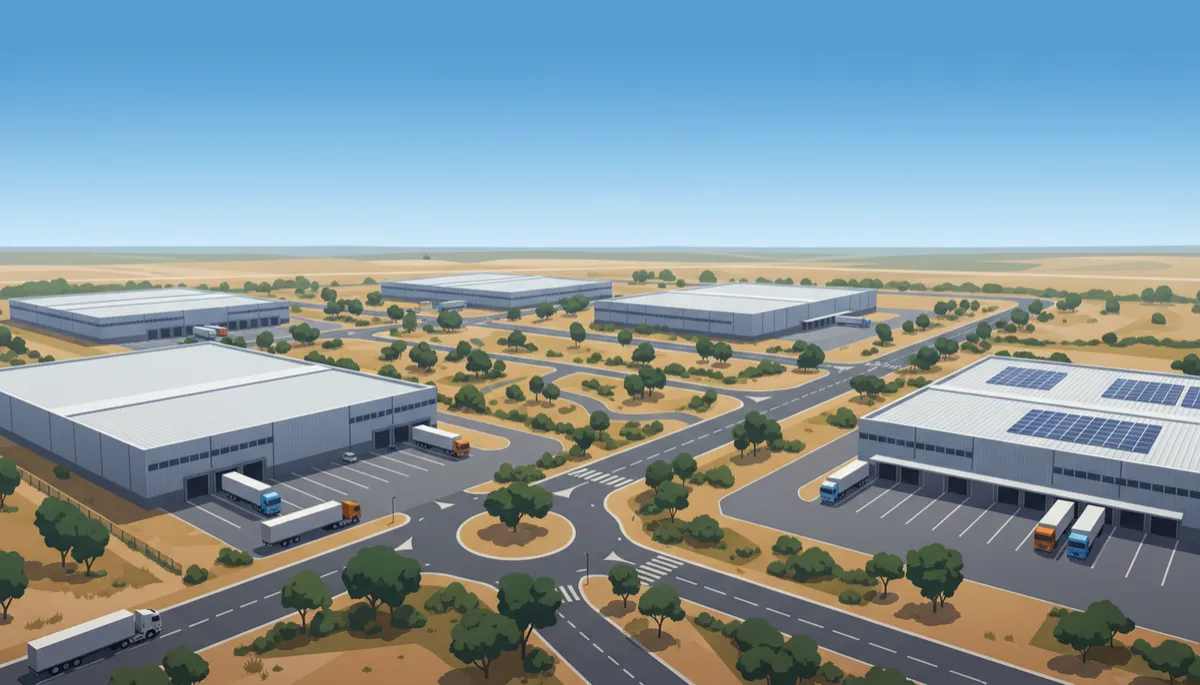
Understanding local industrial market dynamics can support more informed finance decisions.
General information only. Not financial advice. Lending criteria, property assessment requirements, fees and individual circumstances apply. Commercial property investment involves risk, and market vacancy data does not guarantee future property or rental performance.
